Top Roof Inspection Techniques to Avoid Water Damage
Water damage can silently destroy your roof’s structure before you even notice the first drip. The best way to avoid leaks and expensive repairs is a thorough, consistent roof inspection routine. Below is a complete, step-by-step guide to the most effective roof inspection techniques that protect your home from costly water damage.
Why Roof Inspection Techniques Matter
Your roof is your home’s first line of defense against the elements. Over time, wind, rain, and temperature fluctuations wear away at its surface, creating cracks and weak points where water can sneak in. An annual or seasonal inspection not only identifies existing damage but also prevents small issues—like missing shingles or poor drainage—from turning into major water infiltration problems.
Step 1: Start with a Ground-Level Inspection
Before climbing onto the roof, begin at ground level with binoculars. Walk around your property and observe:
- Missing or curled shingles
- Rust or corrosion on flashing
- Sagging rooflines
- Stains or moss growth that indicate moisture buildup
Take photos for later reference. This helps you document areas that may need a closer inspection or professional attention.
Step 2: Check the Gutters and Drainage System
Gutters and downspouts are your roof’s unsung heroes. Clogged or damaged systems can cause water to pool and seep under shingles. During inspections:
- Remove leaves, twigs, and grit buildup.
- Check joints and seams for leaks.
- Ensure downspouts extend several feet away from your foundation.
Make this a seasonal habit, especially before rainy or snowy weather. Clean gutters keep water flowing away from your roof where it belongs.
Step 3: Inspect Flashing and Sealant Connections
Flashing protects joints and seams—like where the roof meets the chimney, skylights, or vents. Weak or cracked flashing is often where leaks begin. During inspection:
- Look for lifted or rusted flashing.
- Reseal cracked caulk or replace badly corroded metal.
- Ensure overlap sections are properly secured to prevent seepage.
Step 4: Examine the Attic Interior
A roof’s interior can reveal hidden moisture problems that are invisible from outside. In your attic, look for:
- Damp insulation or musty smells
- Dark spots on beams or sheathing
- Mold or mildew, particularly near vents or along rafters
Also check that attic ventilation is adequate. Poor airflow can trap moisture and accelerate roof decay from the inside out.
Step 5: Look for Drainage Problems on the Roof Surface
Flat or low-slope sections of a roof tend to collect water. When examining the roof:
- Check for soft spots, sagging, or areas where water pools after rainfall.
- Verify that roof valleys are clear and slope toward gutters.
- Make sure debris like leaves and branches aren’t blocking water flow.
Proper drainage ensures longevity and stability for all roof materials.
Step 6: Use Advanced Inspection Tools
Modern technology makes inspections more efficient and accurate:
- Drones capture aerial images for assessing large or hard-to-reach roofs safely.
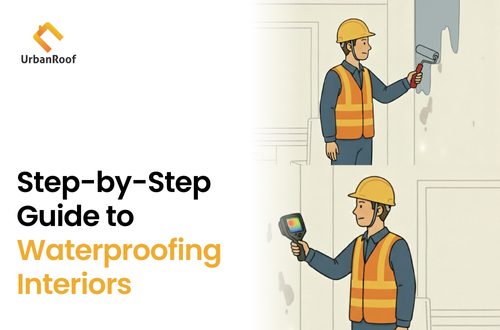
- Infrared Thermography detects hidden moisture beneath shingles by mapping temperature differences.
- Moisture Meters measure dampness levels within decking or insulation layers.
These advanced tools are incredibly helpful for pinpointing leaks early—long before stains or mold appear indoors.
Step 7: Inspect After Severe Weather Events
After significant storms, conduct quick assessments to spot damage early. Look for hail dents, torn shingles, or debris that may have punctured roof membranes. Even if damage seems minor, storm exposure can weaken protective layers, making later leaks more likely.
Step 8: Evaluate Key Roofing Materials
Different roofing materials show wear in unique ways:
- Asphalt shingles: Curling edges, missing granules
- Metal roofs: Dents, corrosion, warping
- Tile roofs: Cracks, slipping or broken tiles
- Flat roofs: Blistering surfaces, ponding water
Addressing material-specific concerns promptly prevents moisture infiltration and costly replacements.
Step 9: Document and Schedule Repairs
Always photograph inspection findings and create a maintenance log. This record helps track deterioration over time and simplifies insurance or warranty claims. Address urgent issues such as exposed nails, torn flashing, or soft decking immediately—before leaks appear.
Step 10: Know When to Call Professionals
DIY inspections cover visual and surface-level issues, but professionals provide precision. Certified roofers use drones, scanners, and moisture detection systems to uncover hidden weaknesses. Schedule professional inspections annually, after major storms, or when buying or selling a property. Expert evaluations ensure safety, accuracy, and proper documentation.
Seasonal Roof Maintenance Schedule
Each season demands different inspection focus areas:
- Spring: Check for winter ice dam damage and replace broken shingles.
- Summer: Inspect UV damage, cracked sealant, and attic ventilation.
- Fall: Clear gutters and trim overhanging branches.
- Winter: Monitor attic moisture and ensure heat isn’t escaping unevenly.
Proactive seasonal inspections reduce stress on your roofing system year-round.
Warning Signs of Water Damage
Watch for these indoor and exterior clues that hint at roof water intrusion:
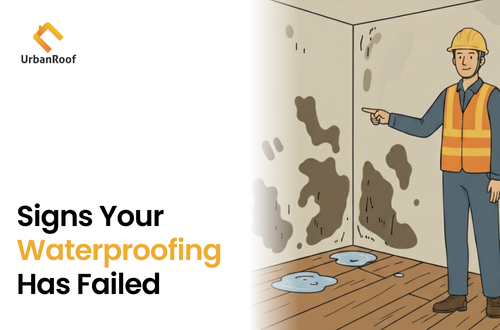
- Water stains or bubbling paint on ceilings or walls
- Damp odors or visible mold in the attic
- Peeling exterior paint or warped siding near the roofline
- Sudden increases in indoor humidity
Spotting these signs early helps prevent structural rot and costly restoration down the road.
Pro Tips for Long-Term Roof Health
- Keep trees trimmed to prevent falling limbs and debris.
- Replace missing shingles immediately.
- Use professional-grade sealants for patchwork repairs.
- Balance attic insulation to avoid condensation.
- Schedule routine checkups even if your roof looks fine.
Preventive action is always cheaper and less stressful than emergency repair.
The Bottom Line
A watertight roof starts with consistent care. Combining simple visual checks with professional evaluations and technology-enabled tools forms the strongest defense against leaks and water damage. Regular inspections every season can extend your roof’s life by years while keeping your home safe and dry.
Now’s the perfect time to take control of your roof maintenance. Examine your roof this weekend or book a professional inspection today to protect your home from costly water damage tomorrow.