Popular Myths About Waterproofing in Indian Homes
Separating Facts from Fiction to Protect Your Home
Waterproofing is one of the most misunderstood parts of home maintenance. Misconceptions often lead homeowners to make choices that fail quickly or cost far more in the long run. At UrbanRoof, we’ve seen the consequences of common waterproofing myths across thousands of Indian homes. This guide debunks the most persistent myths, explains the real risks, and shows what actually works.
Myth 1: Waterproofing Is a One-Time Job
Many homeowners believe waterproofing lasts forever once applied. The truth is that waterproofing systems degrade over time due to UV exposure, thermal cycling, foot traffic, and mechanical wear.
Fact: Most coatings and membranes require periodic inspection and maintenance. UrbanRoof recommends a visual check every six months and a professional inspection every 2–5 years depending on the material and exposure.
Myth 2: A Fresh Coat of Paint Is Enough
Painting over damp or poorly prepared surfaces is a cosmetic fix, not a waterproofing solution. Paint temporarily masks stains but does not stop water ingress or repair underlying leaks.
Fact: Proper waterproofing requires surface preparation, crack repair, primer, and a suitable waterproof system (PU, bituminous membrane, cementitious or elastomeric) selected for the roof type and exposure. Paint goes on after the root cause has been fixed.
Myth 3: Cementitious Waterproofing Is the Best for All Roofs
Cementitious products are popular because they are inexpensive and easy to apply. However, they become brittle and crack under thermal movement and are not ideal where flexibility is required.
Fact: Choose the system to match the roof and climate. Flexible systems like PU and elastomeric coatings perform better on roofs that expand and contract. Bituminous membranes are excellent for heavy-duty waterproofing on terraces with high foot traffic.
Myth 4: New Construction Doesn’t Need Waterproofing
Some builders delay waterproofing until leaks appear. New structures are still vulnerable because poor detailing, inadequate curing, or substandard materials can create future seepage points.
Fact: Waterproofing must be integrated during construction — proper curing, DPC at plinth level, correctly detailed joints, and immediate waterproofing of terraces and balconies avoid future problems.
Myth 5: DIY Waterproofing Always Saves Money
DIY kits and single-coat applications may seem economical, but poor surface preparation, wrong product choice, and incorrect application lead to early failure and repeated reworks.
Fact: Minor patch repairs can be DIY, but full-system waterproofing should be done by certified contractors using the right products and testing (flood test, adhesion test). UrbanRoof’s projects include pre-application scans and flood testing to ensure longevity.
Myth 6: Bituminous Is the Only Reliable Option
Bituminous solutions are robust, but they are not the single answer for every scenario. They can age under UV if not protected, and are heavy for some substrates.
Fact: Modern waterproofing offers multiple reliable options. The right choice depends on load, exposure, and finish requirements. UrbanRoof assesses the roof and recommends PU, elastomeric, bituminous, or hybrid systems as appropriate.
Myth 7: Waterproofing Will Stop Roof Leaks Immediately
Applying a coating over an actively leaking roof without tracing the source often fails. Water will find its path through cracks, flashings, and joints unless those are properly fixed.
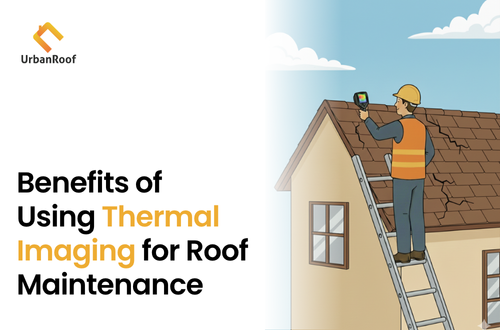
Fact: Effective waterproofing begins with accurate diagnosis. UrbanRoof uses thermal imaging and moisture mapping to locate hidden seepage paths before applying repairs, ensuring the solution addresses the root cause.
Myth 8: New Products Are Always Better
Novel materials sometimes promise superior performance, but unproven products without adequate field history can disappoint.
Fact: Use products with proven track records and manufacturer warranties. UrbanRoof balances innovative solutions with field-proven systems to provide reliable outcomes and warranty-backed work.
Practical Tips to Avoid Waterproofing Mistakes
- Always start with a diagnostic scan — thermal imaging and moisture meters reveal hidden problems.
- Repair cracks, joints, and flashing before applying coatings or membranes.
- Choose the waterproofing system to suit the substrate and exposure, not just price.
- Insist on flood testing after application to verify leak-free performance.
- Schedule routine inspections every 6–12 months and recoat as recommended by the product manufacturer.
UrbanRoof’s Recommended Approach
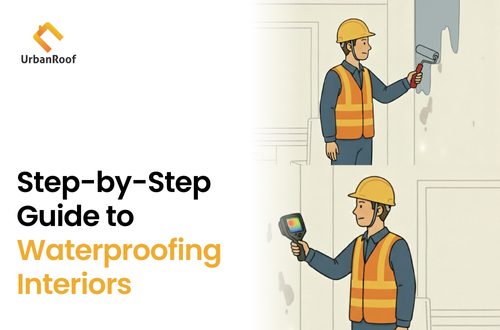
- Inspection and Diagnosis: Visual check, thermal scan, and moisture mapping to find hidden damp zones.
- Surface Preparation: Remove loose material, treat efflorescence, and fill cracks.
- System Selection: Match material (PU, elastomeric, bitumen, cementitious) to roof needs.
- Layered Application: Primer, membrane/coating, reinforcement at corners and drains, and protective topcoat.
- Testing & Maintenance: Flood testing, documentation, and scheduled maintenance plans.
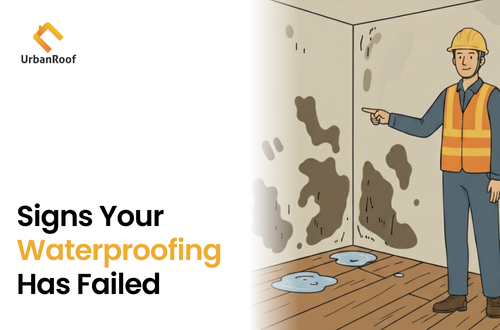
Common Warning Signs You Shouldn’t Ignore
- Fresh or recurring ceiling stains after rains
- Peeling paint or bubbling plaster near roof edges
- Salt deposits (efflorescence) on walls
- Standing water on terraces for more than 24 hours
- Rust stains near anchors or railings
The Bottom Line
Waterproofing myths lead to short-term fixes and long-term headaches. The correct approach combines accurate diagnosis, the right material selection, professional application, and a maintenance regime. UrbanRoof’s engineer-led inspections, thermal diagnostics, and tested waterproofing systems deliver long-lasting protection — not temporary cosmetic improvements.
Protect your home properly — start with a diagnosis. Contact UrbanRoof for a professional waterproofing assessment and stop myths from costing you money.